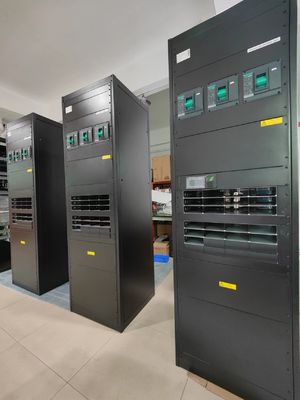
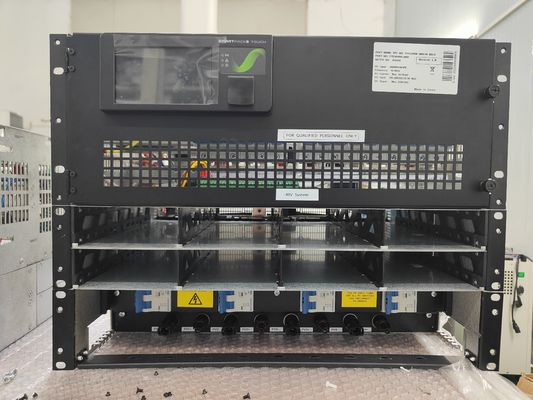
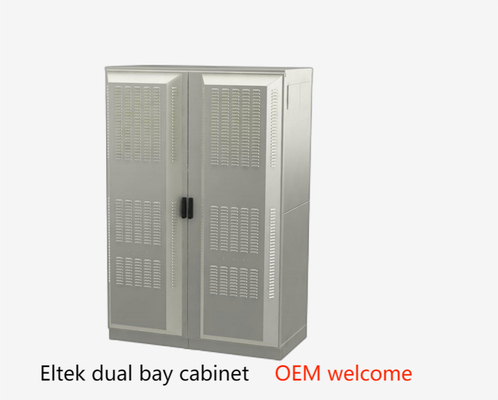
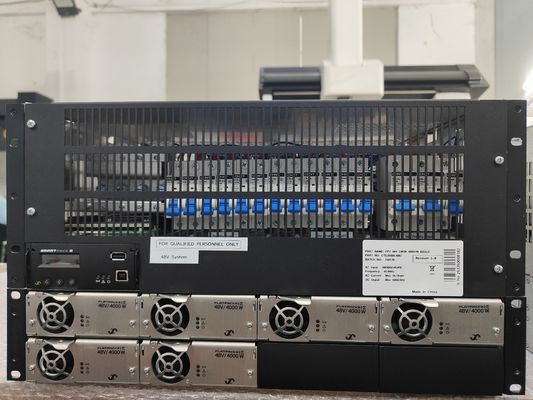
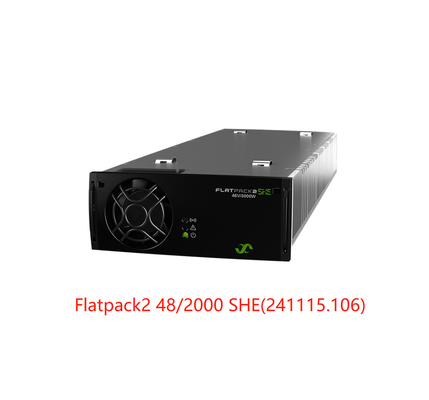
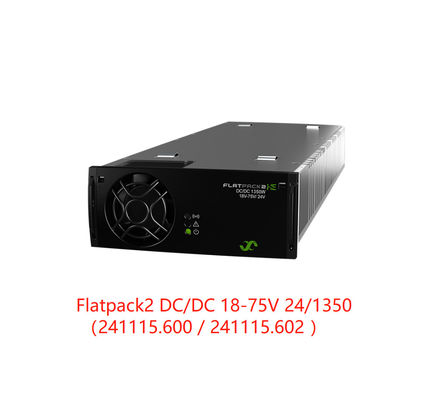
ในกระบวนการคัดเลือกโครงสร้างพื้นฐานด้านพลังงานสำหรับสถานีฐานโทรคมนาคมภายนอกอาคารและโหนดประมวลผลแบบ Edge ความทนทานต่อสภาพแวดล้อมถือเป็นตัวบ่งชี้ที่สำคัญในการกำหนดความพร้อมใช้งานของระบบในระยะยาว ตั้งแต่ความล้มเหลวในการสตาร์ทขณะเย็นจัดในเขตอาร์กติกไปจนถึงการลดประสิทธิภาพเนื่องจากความร้อนในสภาพแวดล้อมเขตร้อนหรืออุตสาหกรรมหนัก ความผันผวนของอุณหภูมิเป็นภัยคุกคามโดยตรงต่อสินทรัพย์การสื่อสารที่สำคัญ รายงานทางเทคนิคฉบับนี้ให้การประเมินเชิงพารามิเตอร์เกี่ยวกับวิธีการที่ Flatpack2 DCDC 380V 54V System รักษาเสถียรภาพสัมบูรณ์ตลอดช่วงการทำงานที่ท้าทายตั้งแต่ -20°C ถึง +45°Cการทำงานต่ำกว่าจุดเยือกแข็ง ( -20°C): การสตาร์ทขณะเย็นและปัจจัยความเค้นของฉนวนไฟฟ้า
ในสภาพอากาศฤดูหนาวทั่วทวีปยุโรปเหนือหรืออเมริกาเหนือ อุณหภูมิภายในของตู้ภายนอกอาคารมักจะลดลงต่ำกว่าจุดเยือกแข็ง ความท้าทายทางกายภาพหลักสำหรับอุปกรณ์อิเล็กทรอนิกส์กำลังในสภาพอากาศเหล่านี้ ได้แก่ การเพิ่มขึ้นอย่างรวดเร็วของความต้านทานอนุกรมสมมูล (ESR) ของตัวเก็บประจุอิเล็กโทรไลต์ ซึ่งทำให้เกิดการกระเพื่อมของเอาต์พุต และความแปรปรวนของสภาพซึมผ่านได้ของแม่เหล็กที่อาจทำให้วงจรควบคุมไม่เสถียร
·
ความทนทานต่อการจัดเก็บและการขนส่ง : ระบบ Flatpack2 ใช้ส่วนประกอบอุตสาหกรรมเกรดพรีเมียมที่รองรับอุณหภูมิได้กว้าง เพื่อรับประกันความสามารถในการสตาร์ทขณะเย็นที่สมบูรณ์แบบที่ -20°Cวงจรควบคุมภายในมีระบบชดเชยอุณหภูมิแบบบูรณาการเพื่อควบคุมรอบการทำงานของ Pulse Width Modulation (PWM) แบบไดนามิกด้วยตนเอง·
ความทนทานต่อการจัดเก็บและการขนส่ง : แม้ในระหว่างลำดับการสตาร์ทที่ต่ำกว่าจุดเยือกแข็ง ระบบจะจำกัด การควบคุมแรงดันไฟฟ้าแบบคงที่ให้อยู่ภายใน ±0.5%ความแม่นยำนี้ป้องกันการกระเพื่อมความถี่ต่ำหรือแรงดันไฟฟ้าที่สูงเกินไปจากการสร้างความเค้นทางไฟฟ้าให้กับชิปเซ็ต 5G ที่มีความละเอียดอ่อนสูงการจัดการความร้อนและการบำรุงรักษาพลังงานที่อุณหภูมิสูง (+45°C)
อุณหภูมิที่สูงขึ้นเป็นภัยคุกคามที่ทำลายล้างมากกว่าต่ออายุการใช้งานของแหล่งจ่ายไฟ ตามกฎของ Arrhenius การเพิ่มขึ้นของอุณหภูมิแวดล้อม 10°C จะเพิ่มอัตราความล้มเหลวทางเคมีของส่วนประกอบสารกึ่งตัวนำเป็นสองเท่า การรักษาเอาต์พุตกำลังเต็มพิกัดที่ +45°C จำเป็นต้องมีประสิทธิภาพการแปลงที่ไม่มีใครเทียบได้และการออกแบบระบายความร้อนขั้นสูง
1. ประสิทธิภาพสูงสุด 98.2% ลดการสร้างความร้อนภายใน
กลยุทธ์การลดความร้อนที่มีประสิทธิภาพที่สุดคือการลดความร้อนสูญเสียที่แหล่งกำเนิด ระบบ DCDC Flatpack2 ใช้สถาปัตยกรรม Super High Efficiency (SHE) ที่เป็นนวัตกรรมใหม่
·
ความทนทานต่อการจัดเก็บและการขนส่ง : ระบบบรรลุ ประสิทธิภาพการแปลงสูงสุด 98.2% (หน้า 2 ของเอกสารข้อมูล) ซึ่งหมายความว่าในระหว่างการทำงานที่โหลดสูงสุด จะมีการสูญเสียความร้อนเพียง 1.8% ของปริมาณที่ส่งออก การกระจายความร้อนที่ต่ำเป็นพิเศษนี้ทำให้มั่นใจได้ว่าแม้ที่อุณหภูมิแวดล้อม +45°C อุณหภูมิรอยต่อ MOSFET ภายในยังคงอยู่ในขอบเขตที่กำหนดไว้อย่างปลอดภัย ลดการเสื่อมสภาพตามอายุจากความร้อนและเพิ่ม MTBF โดยรวมของระบบ2. สถาปัตยกรรมระบายความร้อนด้วยพัดลมแบบวงปิดที่ปรับเปลี่ยนได้
เสริมด้วยสัญญาณความร้อนต่ำ คือระบบระบายความร้อนแบบแอคทีฟที่ขับเคลื่อนด้วยปัญญา การกำหนดค่านี้มีระบบไหลเวียนอากาศแบบบังคับที่ควบคุมความเร็วซึ่งจัดการโดยตรงโดย
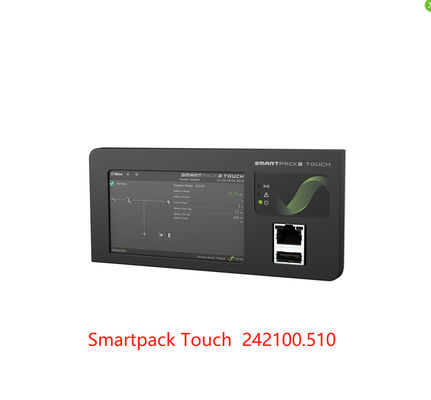
ตัวควบคุม Smartpack2.·
ความทนทานต่อการจัดเก็บและการขนส่ง : ตัวควบคุมจะตรวจสอบความแปรปรวนของอุณหภูมิผ่านเซ็นเซอร์บนบอร์ดแบบเรียลไทม์ ความเร็วพัดลมจะปรับเพิ่มขึ้นอย่างราบรื่นและเป็นเชิงเส้นตามภาระความร้อน ป้องกันการสึกหรอทางกลที่ไม่จำเป็นและการดึงพลังงานปรสิตในช่วงเวลาที่เย็น ในขณะที่ดำเนินการสกัดความร้อนอย่างรวดเร็วที่ขีดจำกัด +45°C เพื่อปกป้องโมดูลจากการทำงานเกินอุณหภูมิ (OTP)เกณฑ์อุณหภูมิการจัดเก็บและการทนทาน: มาตรฐาน +85°C
ในพื้นที่ติดตั้งเฉพาะ เช่น โรงงานอุตสาหกรรมหรือห้องเก็บของภายนอกอาคารที่ไม่มีการปรับอากาศ ตู้ระบบอาจประสบกับการสะสมความร้อนอย่างรุนแรงเนื่องจากการแผ่รังสีของดวงอาทิตย์หรือระบบ HVAC ขัดข้อง
·
ความทนทานต่อการจัดเก็บและการขนส่ง : ตามข้อกำหนดทางเทคนิคอย่างเป็นทางการ (หน้า 2 - ข้อกำหนดอื่นๆ) ฮาร์ดแวร์รองรับโปรไฟล์การจัดเก็บขณะไม่ทำงานตั้งแต่ -40°C ถึง +85°Cซึ่งพิสูจน์ได้ว่าฉนวนหม้อแปลงภายใน อุปกรณ์สวิตช์แรงดันสูง และสารเคลือบวงจรพิมพ์ (PCB) ได้รับการออกแบบมาเพื่อทนทานต่อการเปลี่ยนแปลงอุณหภูมิที่รุนแรงโดยไม่เสื่อมสภาพรายการตรวจสอบการจัดซื้อสำหรับการเลือกสภาพแวดล้อมที่รุนแรง
สำหรับวิศวกรจัดซื้อโครงสร้างพื้นฐานที่ประเมินระบบ DC-DC แบบ Step-down สำหรับสภาพแวดล้อมที่อันตราย พารามิเตอร์สำคัญต่อไปนี้ควรใช้เป็นรายการตรวจสอบหลัก:
1.
เส้นโค้งการทำงานที่โหลดเต็ม: ตรวจสอบให้แน่ใจว่าอุปกรณ์ส่งกำลังเอาต์พุตเต็มพิกัดตั้งแต่ -20°C ถึง +45°C โดยไม่มีการลดประสิทธิภาพเนื่องจากความร้อน2.
ความทนทานและการกู้คืนชั่วคราว: ระบบต้องรักษา เวลาการกู้คืนการควบคุมแบบไดนามิกที่ <50ms ภายใต้การเปลี่ยนแปลงโหลด 10% ถึง 90% ตลอดช่วงอุณหภูมิทั้งหมด โดยให้ความผันผวนของแรงดันไฟฟ้าอยู่ในขอบเขตที่จำกัดภายใน ±5.0% เพื่อปกป้องการประมวลผลอย่างต่อเนื่อง3.
ส่วนเกินความร้อนในการจัดเก็บ: ตรวจสอบว่าเพดานการจัดเก็บขณะไม่ใช้พลังงานตรงกับ +85°C เพื่อทนทานต่อสภาพแวดล้อมตู้คอนเทนเนอร์ขนส่งทั่วโลกหรือตู้ภายนอกอาคารที่ไม่มีการระบายอากาศ


 ข้อความของคุณจะต้องอยู่ระหว่าง 20-3,000 ตัวอักษร!